
CookUnity vs Factor in Canada (2026): The Honest Comparison

CookUnity and Factor solve the same problem in opposite ways: CookUnity is a chef collective built for variety, while Factor is a HelloFresh-owned, dietitian-designed service built around macros and convenience. But for most Canadians one fact settles it first: CookUnity delivers in Ontario only, while Factor reaches six provinces. I have had boxes from both in my own fridge, so the calls below come from eating the food, not just reading menus.
The 30-Second Verdict
Pick Factor
if you want predictable nutrition and nationwide-ish reach. It is the safer default for most of the country, partly because in most of the country it is the only option.
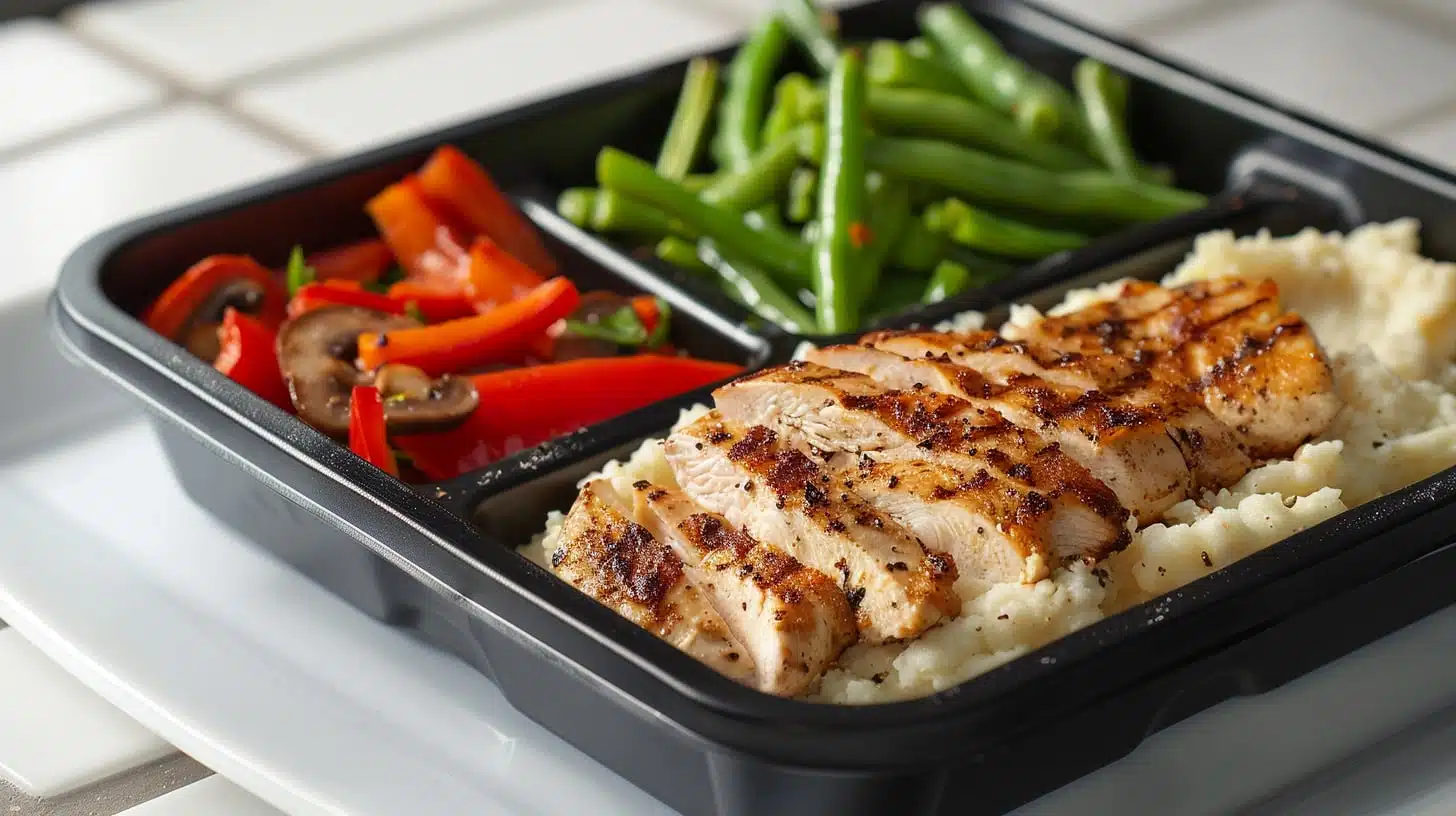
- Structured plans for keto, calorie control or high protein
- A fixed menu of about 40 meals a week
- Delivery across Manitoba, Ontario, Quebec, New Brunswick, Nova Scotia and PEI



Pick CookUnity
if you live in Ontario and care more about the food than the macro label. The trade-off is a newer, Ontario-only operation and less rigid nutrition tracking.
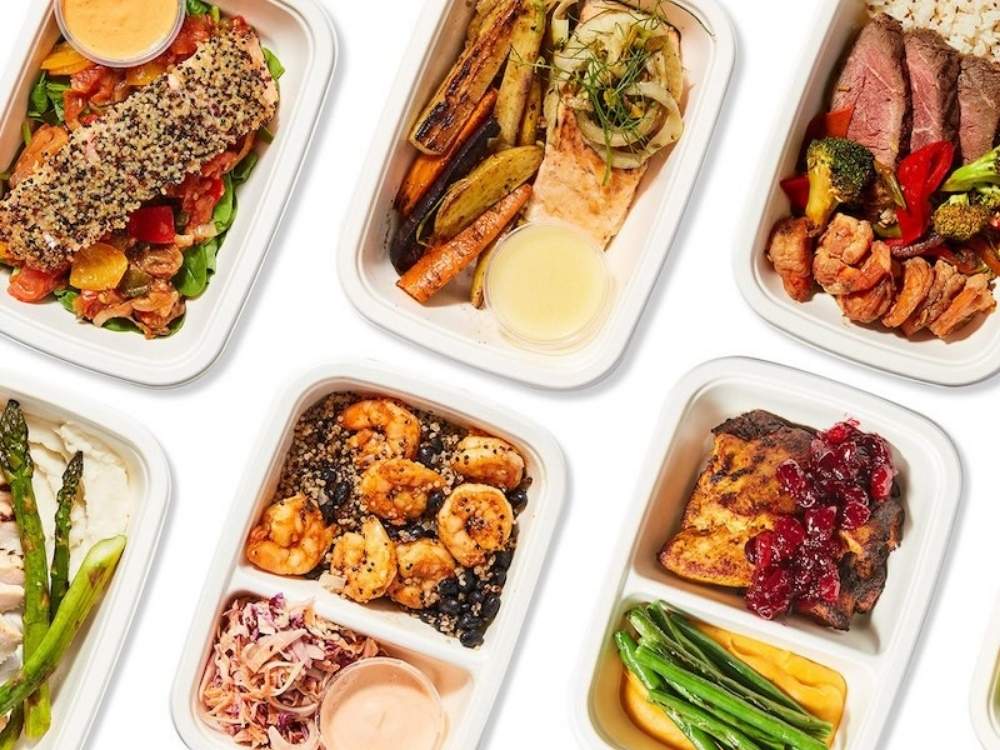
- Over 100 rotating dishes a week from real chefs, including Michelin-starred Patrick Kriss of Toronto’s Alo
- More global range across cuisines
- A lower per-meal price once you order eight meals or more
If you want the deeper single-service breakdowns, we have a full CookUnity Canada review and a Factor Canada review. This page is the head-to-head.

CookUnity vs Factor at a Glance
Those two picks come down to the numbers. Here is the head-to-head in one screen, with Canadian figures in every row; the detail behind each is below.
| CookUnity | Factor | |
|---|---|---|
| Best for | Variety and chef-quality food | Macros, keto and calorie control |
| Minimum meals per week | 4 | 6 |
| Meals on the menu (Canada) | 100+ weekly | 40+ weekly |
| Plan sizes | 4, 6, 8, 10, 12, 16 | 6, 8, 10, 12, 14, 18 |
| Price per meal (CAD) | $9.00 to $12.59 | ~$11.49 to $13.49 |
| Delivery fee | $9.99 per order | $9.99 per order |
| Reheat time | ~3 min microwave | ~2 min microwave |
| Fridge life | 3 to 7 days | ~7 days |
| Freezer-friendly | No, chefs advise against it | Limited, eat fresh |
| Nutrition labels and plans | Dietary filters only | Full labels + structured plans |
| Provinces served | Ontario only | 6 provinces |
| First-box offer | 30% off | Up to $75 off |
Already decided? Factor is the safe pick for most of Canada, and new customers get up to $75 off spread across their first boxes. If you are in Ontario and want chef-driven variety instead, CookUnity takes 30 percent off your first box.
Jump to a Section
- Where CookUnity and Factor deliver in Canada
- Price per meal in Canada (CAD)
- Menu and meal variety
- Taste, portions and freshness
- Which is healthier?
- For GLP-1 and Ozempic users
- How CookUnity and Factor work
- Who owns Factor and CookUnity
- Pros and cons
- Which should you choose?
- FAQ
Where CookUnity and Factor Deliver in Canada
Start with the row that overrides all the others: Factor reaches six provinces, while CookUnity delivers in Ontario only. For much of the country, that settles the comparison before flavour comes into it. Factor cooks its meals in Mississauga, Ontario, and ships them to those six provinces, while CookUnity runs out of a Toronto hub and reaches roughly 25 Ontario cities, with Quebec named as the next region and the rest of the country still on the roadmap. A year after launch, that expansion is still pending: as of mid-2026, CookUnity remains Ontario-only.
| CookUnity | Factor | |
|---|---|---|
| Provinces served | Ontario only (Quebec announced) | Manitoba, Ontario, Quebec, New Brunswick, Nova Scotia, PEI |
| In Canada since | June 1, 2025 | January 2023 |
| Where meals are made | Toronto area | Mississauga, ON |
| Cities covered | ~25 in Ontario | Major centres across 6 provinces |
That table is the whole ballgame for a lot of readers. Before you compare a single dish, put your postal code into both checkout pages, because CookUnity hides its true price and availability behind that wall while Factor confirms your province first.
- Outside the zone: in Vancouver, Edmonton, Saskatoon, Ottawa beyond the GTA’s reach, or anywhere in Atlantic Canada outside the Factor provinces, CookUnity simply cannot deliver to you yet.
- In Ontario: in Toronto, Mississauga, Scarborough, North York or the surrounding 25-odd cities, both are live, and the rest of this comparison matters.
CookUnity vs Factor: Price Per Meal in Canada (CAD)
Once you know both services reach you, price is the next question, and this is where CookUnity quietly wins. Per meal it undercuts Factor at almost every plan size past the smallest box, the opposite of what the US reviews say. Those write-ups cast CookUnity as the pricey option. In Canada the curve flips: CookUnity’s price drops fast as the box gets bigger, while Factor stays flat.
| Meals per week | CookUnity (per meal) | Factor (per meal) |
|---|---|---|
| 4 | $12.59 | not offered |
| 6 | $10.96 | ~$13.49 |
| 8 | $10.21 | ~$12.99 |
| 10 | $9.79 | ~$11.99 |
| 12 | $9.28 | ~$11.49 |
| 16 | $9.00 | not offered |
| 18 | not offered | ~$11.49 |
Both add a flat $9.99 delivery fee per order, so the more meals you bundle into one box, the less that fee stings per plate. The rest comes down to how each brand prices scale and first orders:
- CookUnity’s floor is lower: $9.00 a meal on the 16-meal plan undercuts anything Factor offers, and its 4-meal minimum helps if your week is unpredictable, since Factor makes you commit to at least six.
- Factor’s pull is the intro discount: new boxes routinely run up to $75 off spread across your first several deliveries, which can make the first month cheaper than the sticker price suggests.
- CookUnity counters with 30 percent off your first box.
Both discounts are first-order sweeteners, not the price you pay long term, so judge value on the per-meal columns above. Winner on long-term price: CookUnity, as soon as you order more than six meals a week.
If squeezing the lowest possible cost matters more than the brand, our guide to the cheapest meal kits in Canada puts these numbers in wider context.
CookUnity vs Factor: Menu and Meal Variety
On variety, CookUnity wins easily: 100-plus chef dishes a week against Factor’s roughly 40. The reason is who designs the food. CookUnity is a marketplace of chefs cooking what they want to cook; Factor is a kitchen of dietitians and chefs cooking to hit nutrition targets. Almost every other difference flows from that.
CookUnity: Variety From Real Chefs
Its Canadian menu carries over 100 rotating dishes a week, cooked by 11 chefs, eight local Canadians and three international, including Michelin-starred Patrick Kriss of Alo, Chef Sand Tsoi, Chef Dadrian Coke and Toronto’s Trevor Lui. Dishes like Korean beef bowls, chicken tikka masala, miso-glazed salmon and pork tenderloin with chimichurri rotate across Korean, Mexican, Italian and Middle Eastern cooking, so the menu rarely feels stale. What you do not get is a tidy macro framework: there are filters for low-carb, high-protein, keto and paleo, but no structured plan.
Factor: A Nutrition Lab
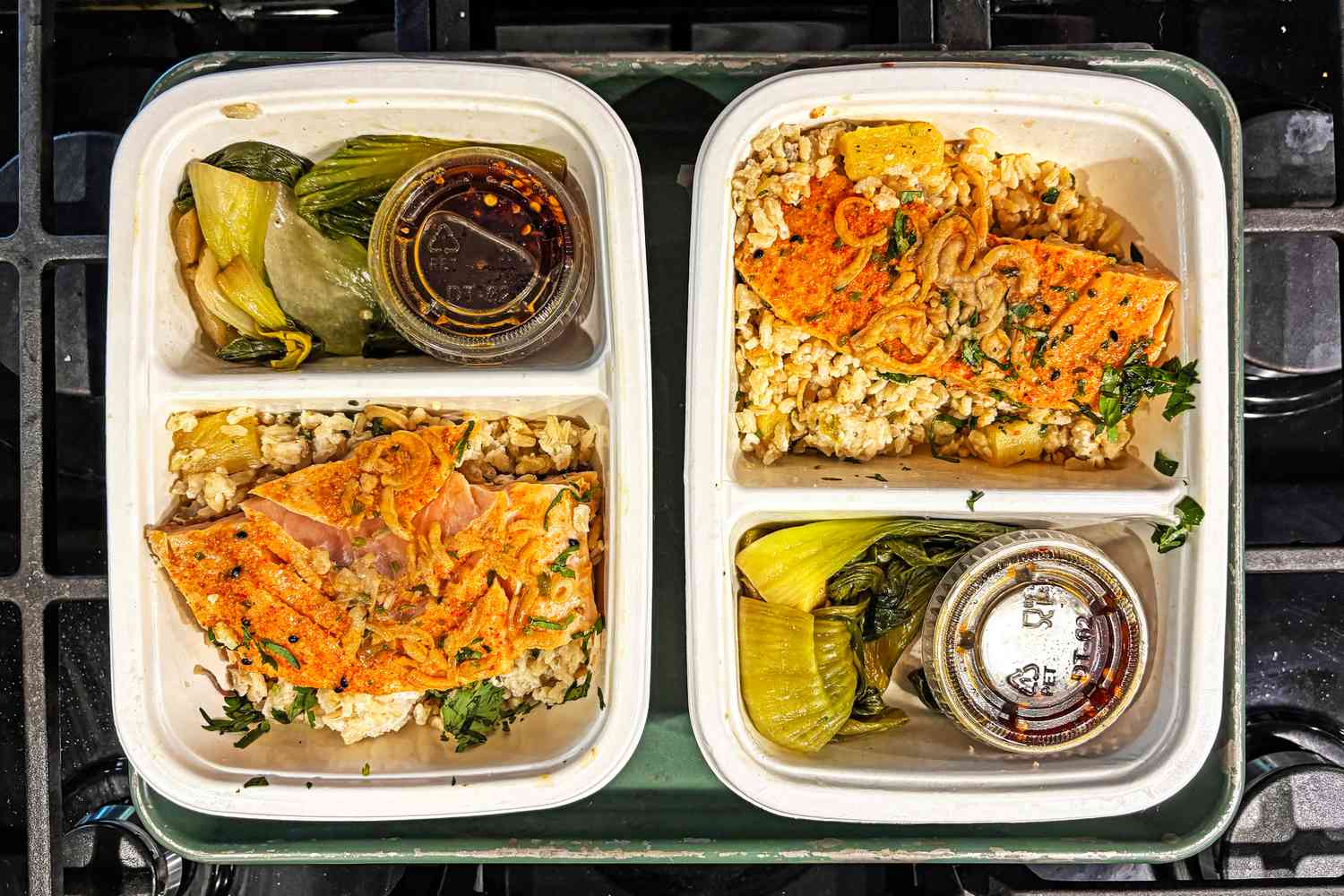
You get around 40 chef-prepared meals a week, every one built and labelled by Mississauga-based Registered Dietitians, with options like the Keto Poblano Bowl, Creamy Parmesan Chicken and the Vegan Thai Peanut Bowl. You choose from defined categories:
- Calorie Smart: under 550 calories
- Keto: net carbs under 20 grams
- Protein Plus: 30-plus grams of protein per meal
- Vegan and Veggie, plus Chef’s Choice
The trade-off for that structure is repetition: with about 40 fixed meals rotating, regulars often report the menu feeling familiar after a month or two, where CookUnity’s larger rotation does not. That gap is narrowing, though. Through 2026 Factor has been running its largest menu expansion yet, adding high-protein, GLP-1 and Mediterranean lines plus more premium proteins, and those additions are rolling into the Canadian menu. But if you are counting calories, hitting a protein target or staying in ketosis, Factor hands you the math already done.
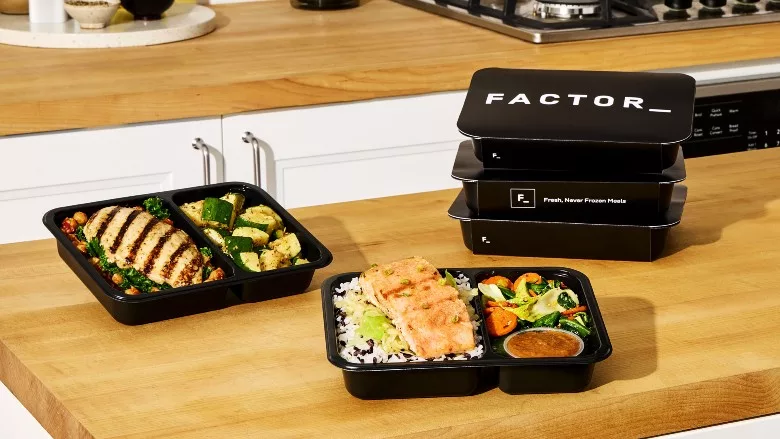
CookUnity takes variety; Factor takes structure.
For families weighing either service, our best meal kits for families roundup covers portioning and kid-friendliness in more depth.

Click to Get 30% off your first week!
- Gourmet meals freshly prepared by award-winning chefs.
- Diverse Menu, Wide variety of cuisines and dietary options.
- Flexible Plans, Choose from 4 to 16 meals per week, with easy adjustments.
- Sustainable Practices, Focus on zero waste with fresh food packaging.
Taste, Portions and Freshness: Factor vs CookUnity
A deep menu only counts if the food delivers, and here the two split again. Factor is the steadier plate; CookUnity is the one that can actually excite you. Portion size is where they part hardest. Both arrive chilled and never frozen. Factor’s meals are standardized, so the chicken and rice you order this week looks like the one you ordered last. That predictability is the point of a nutrition service, and it is what makes the calorie label trustworthy. It also sums up how Factor lands for me: it has never wowed me, but it has never let me down either, and on a Tuesday night that counts for more than I expected.
CookUnity trades that consistency for ambition, and at its best it is the better dinner. The pork tenderloin with chimichurri is the one I keep re-ordering, and the Korean beef bowl is the closest a microwave has gotten me to actual takeout. That ceiling is the main reason Ontario diners pick it over Factor. The flip side of letting chefs cook is that portions wander: meals run anywhere from about 400 to 1,200-plus calories, and ordering the same dish twice does not get you the same plate. Reviews and Reddit threads complain about it, and I have hit it myself, one week a generous bowl, the next a portion closer to a side, for the same $13 or so. That is the price of a real recipe instead of a fixed spec.
On the practical basics, the two are close:
- Reheating: about two minutes for Factor, three for CookUnity
- Shelf life: Factor holds around seven days in the fridge; CookUnity says three to seven
- Freezing: CookUnity explicitly tells you not to, since it wrecks the texture; Factor tolerates it better but is built to be eaten fresh (more in the FAQ)
On consistency and reheat speed, Factor wins.
Which Is Healthier: Factor or CookUnity?
Taste is one thing; plenty of people buy these boxes to eat better. So which one is healthier? Factor, because it does the deciding for you. Every meal carries a full label and slots into a category you can trust: Calorie Smart stays under 550 calories, Keto holds net carbs under 20 grams, and Protein Plus runs 30 to 55 grams of protein. The catch is sodium. Like most ready-to-eat meals, Factor’s lean salty, commonly landing between 700 and 1,050 milligrams per tray and topping 1,000 on the saucier plates, a meaningful chunk of a 2,300 milligram daily limit. If you are watching salt, stick to the lighter-labelled meals and check each one.
CookUnity can be just as healthy, but you have to steer. It publishes calories and macros and offers filters for low-carb, keto, high-protein and paleo, yet because every dish is a chef’s recipe rather than a target, the numbers swing hard, from roughly 400 to 1,200-plus calories across the menu. Nothing does the math for you. For a disciplined eater that freedom is fine; for anyone who wants the decision made, Factor is the safer bet.

Back-To-School Sale: Up to $90 off + Free shipping on your first box
-
Canada’s #1 Ready-to-Eat Meal Delivery
-
Ready in Minutes – no prep, no clean-up
-
30+ Dietitian-Approved Options
-
Meal plans for every lifestyle: Keto, Calorie Smart and Protein Plus
-
Fresh poultry, fish & veggie choices
Factor vs CookUnity for GLP-1 and Ozempic Users
If you are eating on a GLP-1 medication like Ozempic or Wegovy, both services now build for you, which is the biggest shift in either menu since chef-made delivery took off in Canada. The need these drugs create is the same: a smaller appetite, so each bite has to deliver protein and fibre without piling on calories.
Factor runs a structured GLP-1 Balance plan in Canada. The meals are portion-controlled, protein-forward at 30 grams or more, fibre-filled, and capped under the Calorie Smart ceiling of 550 calories. It is Factor’s whole approach, aimed straight at the medication.
CookUnity offers a chef-made GLP-1 Balanced collection you filter for rather than a fixed plan, built on the same protein-and-fibre-forward idea. It launched the collection in early 2025, and in 2026 it brought physicians Dr. Manijeh Berenji and Dr. Marc Watkins onto its advisory board to steer the nutrition work. So you get range to curate instead of a plan to follow.
Same split as the rest of this guide: Factor if you want the GLP-1 targets handled for you, CookUnity if you want chef variety and do not mind curating. Outside Ontario, Factor by default.
How CookUnity and Factor Work
Whichever way you lean, signing up is the same for both, so there is little to learn:
- Pick a weekly plan size.
- Choose meals from that week’s rotating menu, or let the default selection fill the box.
- The box arrives chilled on your delivery day; meals reheat in the microwave in two to three minutes.
- Skip a week or change your plan size before the weekly cutoff.
One warning from experience: the weekly cutoff in step four is easy to forget. Miss it, and the box ships with whatever the default picks are. That is how I once ended up with two near-identical chicken dinners in one CookUnity delivery, so set a phone reminder for selection day.
The one difference is at the door: Factor confirms your province before you build a box, while CookUnity asks for your postal code to confirm it reaches you in Ontario first.
Who Owns Factor and CookUnity (and Why It Matters in Canada)
The sign-up flow is identical; the companies behind it are not. Factor is owned by HelloFresh, while CookUnity is an independent New York chef collective still new to Canada, and that gap explains the difference in maturity you feel as a customer here. Factor, which started life in the United States as Factor 75, joined HelloFresh in November 2020, and the parent already runs a large meal-kit operation in this country. That is why Factor could launch across six provinces in 2023 and run reliably from a dedicated Mississauga facility: it plugged into infrastructure HelloFresh already had. If you have used HelloFresh or Chefs Plate here, Factor’s logistics will feel familiar. Our Factor vs HelloFresh comparison digs into how the two HelloFresh-family services differ.
CookUnity is the newcomer, and a different animal. It entered Canada by acquiring Toronto startup Cookin in December 2024, then launching its own service in June 2025. Cookin brought local chef relationships and Canadian operating know-how, which is why the Canadian roster is built on local chefs rather than repackaged US menus. The flip side is age: as of mid-2026 the Canadian operation is barely a year old, still Ontario-bound, and still proving its delivery reliability beyond the GTA. None of that reflects on the food. It just means keeping your expectations modest on coverage and reliability while the network grows.
CookUnity vs Factor: Pros and Cons
Stacked side by side, the trade-off is easy to read.
CookUnity
| Pros | Cons |
|---|---|
| 100+ chef dishes a week, real variety | Ontario only, so most of Canada cannot order |
| Cheaper per meal once you pass six meals | Portion sizes vary plate to plate |
| Fresh, restaurant-style flavour | Newer operation, occasional delivery and packaging hiccups |
| Low 4-meal minimum | No structured macro plans, and cancellation can feel fiddly |
Factor
| Pros | Cons |
|---|---|
| Dietitian-built keto, calorie and protein plans | Menu starts to feel repetitive over time |
| Full nutrition label on every meal | Some meals are high in sodium |
| Delivers to six provinces | 6-meal minimum, no smaller box |
| Reliable HelloFresh delivery network | Pricier per meal long term, and vegetables can arrive soft |
What customers say. The reviews line up with both the tables and my own boxes:
- CookUnity holds about 4.1 stars across more than 15,000 Trustpilot reviews. Praise goes to chef-made, never-frozen food; the gripes are late deliveries, tight menu-selection deadlines and the occasional rubbery chicken.
- Factor reviewers are mostly satisfied too, crediting the convenience and calorie control. The recurring complaints: meals tasting similar after a while, portions feeling small for the price, and the odd mushy vegetable or delivery mix-up.
CookUnity vs Factor: Which Should You Choose?
That nets out to a straightforward decision. Outside Ontario, choose Factor: it is the only one of the two that delivers to you, and a strong service in its own right. Inside Ontario, it comes down to what you want from dinner.
If you pinned me down, here is what I actually do: in Ontario I keep both on rotation and skip weeks, leaning on CookUnity when I want dinner to be good and Factor when I just need it handled. Outside Ontario the question answers itself.
So lean Factor if you are tracking macros or want the calorie count handled for you, and CookUnity if you are ordering eight or more meals a week and would rather eat a Michelin chef’s short rib than a labelled 540-calorie tray. Still undecided? Both run new-customer deals, so order a discounted first box from each and let your own taste break the tie. Either way, both rank among the stronger options in our best prepared meal delivery in Canada guide.
CookUnity vs Factor: Frequently Asked Questions
Does CookUnity deliver in Canada?
Yes, but only in Ontario. A year after its June 1, 2025 launch, CookUnity still serves Ontario only as of mid-2026, delivering to roughly 25 cities from a Toronto-area hub, including Toronto, Mississauga, Scarborough and North York. It has named Quebec as its next region, with further national expansion planned, but if you live outside Ontario today, CookUnity cannot deliver to you yet. Factor, by contrast, already reaches Manitoba, Ontario, Quebec, New Brunswick, Nova Scotia and PEI.
Is Factor worth it in Canada?
Factor is worth it if your goal is eating healthily without cooking and you value a decided nutrition plan over variety. At roughly $11.49 to $13.49 per meal plus $9.99 shipping, it is not a budget play against home cooking, but it is competitive with takeout and removes all the planning. It makes the most sense for single professionals, people on keto or calorie goals, and anyone who wants the same reliable meal every week. If variety matters more to you and you live in Ontario, CookUnity is the stronger value once you order eight meals or more.
Is CookUnity or Factor cheaper in Canada?
CookUnity is cheaper per meal at almost every plan size in Canada once you order more than six meals, bottoming out at $9.00 a meal on the 16-meal plan, while Factor sits between roughly $11.49 and $13.49. Both charge the same $9.99 delivery fee. Factor only looks cheaper on the first order, thanks to a welcome offer of up to $75 off, but over the long run CookUnity wins on per-meal price. The catch is that CookUnity is only cheaper if it delivers to you at all, since it currently serves Ontario only.
Can you freeze Factor or CookUnity meals?
You can freeze Factor meals, though they are designed to be eaten fresh within about seven days and texture suffers after thawing, especially with sauces and rice. CookUnity takes a firmer line: its chefs advise against freezing entirely, because the dishes are built for a three-to-seven-day fridge window and freezing degrades the textures they cook for. If a long runway matters to you, Factor is the more freezer-tolerant of the two, but neither is built for it.
Are these meals actually healthy?
Both can be, and Factor makes it easier to prove. Every Factor meal carries a full nutrition label and slots into a defined category, so a Calorie Smart meal really is under 550 calories and a Protein Plus meal clears 30 grams of protein. CookUnity publishes nutrition info and offers filters like low-carb and keto, but because each dish is a chef’s recipe rather than a target-driven spec, the numbers vary more from plate to plate. For strict tracking, Factor is the more dependable choice.
How do I cancel if I want to stop?
Both run on weekly subscriptions you can skip or cancel through your online account, and neither locks you into a contract. Factor in particular lets you pause weeks or cancel from the account dashboard before your weekly cutoff. We have a step-by-step walkthrough for cancelling Factor meals in Canada if you hit any friction. Skipping a week before the deadline is the easiest way to take a break without losing your account.
How I Tested CookUnity and Factor
I ordered from both services to my own address in the Greater Toronto Area, the one part of Canada where you can run them side by side, and paid with the standard new-customer promos any first-timer can use. Across several weekly boxes I tracked the same things for each: delivery timing, how cold the box arrived, portion size against the label, taste against the menu photo, reheating time, and how easy it was to skip or change an order before the weekly cutoff.