
CookUnity Canada Review (2026): Pricing, Menu & Is It Worth It?

Last updated: May 2026
CookUnity is a chef-crafted prepared meal delivery service now available in Canada, with prices starting at $9.00 per meal. I tested 16 meals over several weeks, and the short version is: the food is really good. Better than any other prepared meal service I’ve tried in Canada. But you pay for it. Every dish is made by a professional chef. The Canadian roster includes Michelin-starred Patrick Kriss (Alo), Hemant Bhagwani (Bar Goa), and Dadrian Coke (Chubby’s Jamaican Kitchen), plus international names like Iron Chef Jose Garces. Below, I cover how CookUnity works in Canada, what the meals actually taste like, what you’ll pay after fees, delivery areas, and how it compares to HelloFresh, Chefs Plate, and Factor.
But first, here’s a short breakdown:



CookUnity Canada: Quick Overview
CookUnity is a chef-to-consumer meal marketplace. Think of it less like a meal kit and more like ordering from a different restaurant each night, except everything shows up in one box. Independent chefs develop their own dishes, and CookUnity handles the rest. The Canadian menu rotates weekly with 100+ options.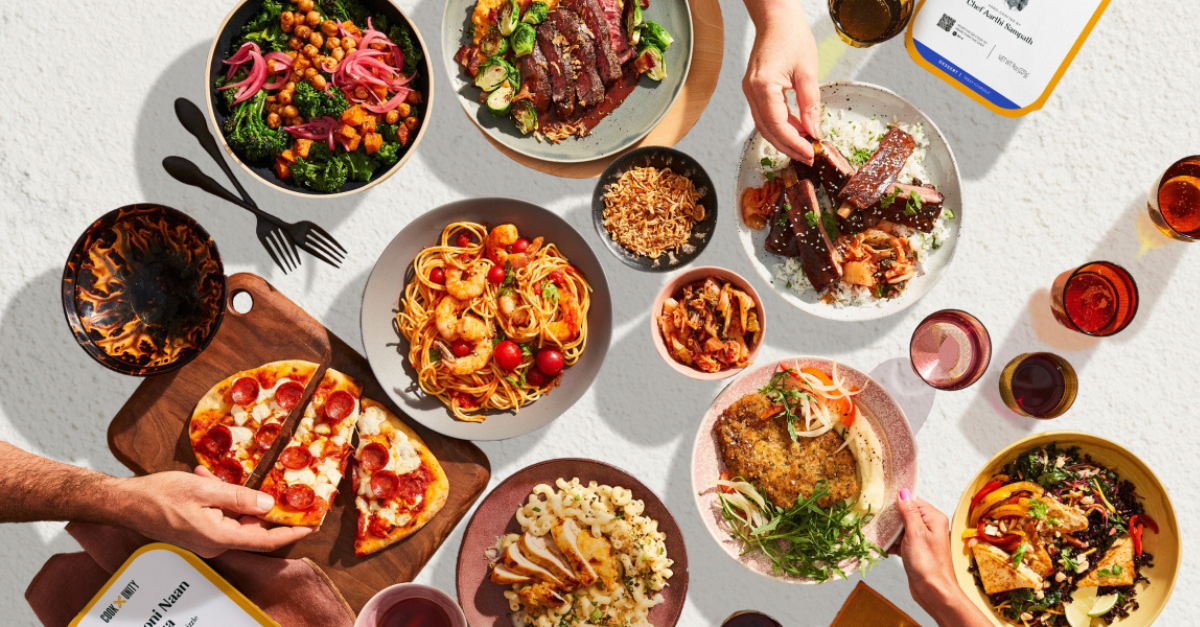
Is CookUnity in Canada?
Yes, CookUnity is available in Canada, but for now the service is limited to Ontario. The company delivers to more than 25 cities, with Toronto as the main hub where meals are prepared and distributed. CookUnity has confirmed plans to expand into Quebec soon, with west coast delivery expected to follow. Ontario was the starting point when the service launched in June 2025.So, Who’s it for?
If you’re the type who orders Uber Eats three times a week because you’re too tired to cook, CookUnity is built for you. It’s also a strong fit if you care about what you eat but don’t have the time or energy to make it happen. Where it’s not a fit: if you enjoy cooking, or if you’re watching every dollar. A meal kit will cost less and give you that hands-on experience.How much does it cost?
CookUnity’s Canadian pricing starts at $12.59 per meal on the smallest plan (4 meals per week) and goes as low as $9.00 per meal on the largest plan (16 meals per week). Popular mid-range options like 6–10 meals fall between $10–$11 per serving. Final pricing is shown after entering your postal code, and depending on your location, you may also see service or delivery fees added at checkout.Is CookUnity worth it?
For me, yes. I spent less per meal than I would on a decent dinner out in Toronto, and the food was consistently better than what I’ve gotten from Factor. It’s still a premium service, though. Compared to cooking a bag of pasta at home, the math won’t work. But compared to the $22 pad thai you’d order on DoorDash, CookUnity starts to look like a deal.

Click to Get 30% off your first week!
- Gourmet meals freshly prepared by award-winning chefs.
- Diverse Menu, Wide variety of cuisines and dietary options.
- Flexible Plans, Choose from 4 to 16 meals per week, with easy adjustments.
- Sustainable Practices, Focus on zero waste with fresh food packaging.
What Makes CookUnity Different from Other Meal Services?
Most prepared meal companies run a single kitchen with a small recipe team. CookUnity flips that: independent chefs run their own kitchen operations, develop their own menus, and put their name on every dish. CookUnity takes care of everything else (sourcing, packaging, delivery, support) while the chefs focus on cooking. That split is why the menu rotates so aggressively and why the food tastes closer to restaurant takeout than a standard reheated meal. You can actually tell which chefs put more care into their dishes. That was new for me in this category.
The Canadian operation grew out of CookUnity’s acquisition of Toronto-based startup Cookin in late 2024. That deal brought local chefs and kitchen infrastructure under one roof, letting CookUnity launch in Ontario by June 2025. Unlike food subscription boxes where you cook the recipes yourself, everything arrives fully prepared.

How to Order from CookUnity in Canada (Step by Step)
Enter your postal code on the CookUnity site to confirm availability in your area. From there, pick a plan size (4 to 16 meals per week), set your dietary preferences, and browse the rotating menu. CookUnity posts dishes in advance with a weekly cutoff typically 4 to 6 days before delivery, so you have time to plan. One thing I appreciated: the menu preview actually shows you what’s coming, so you’re not blindly committing to a mystery box.
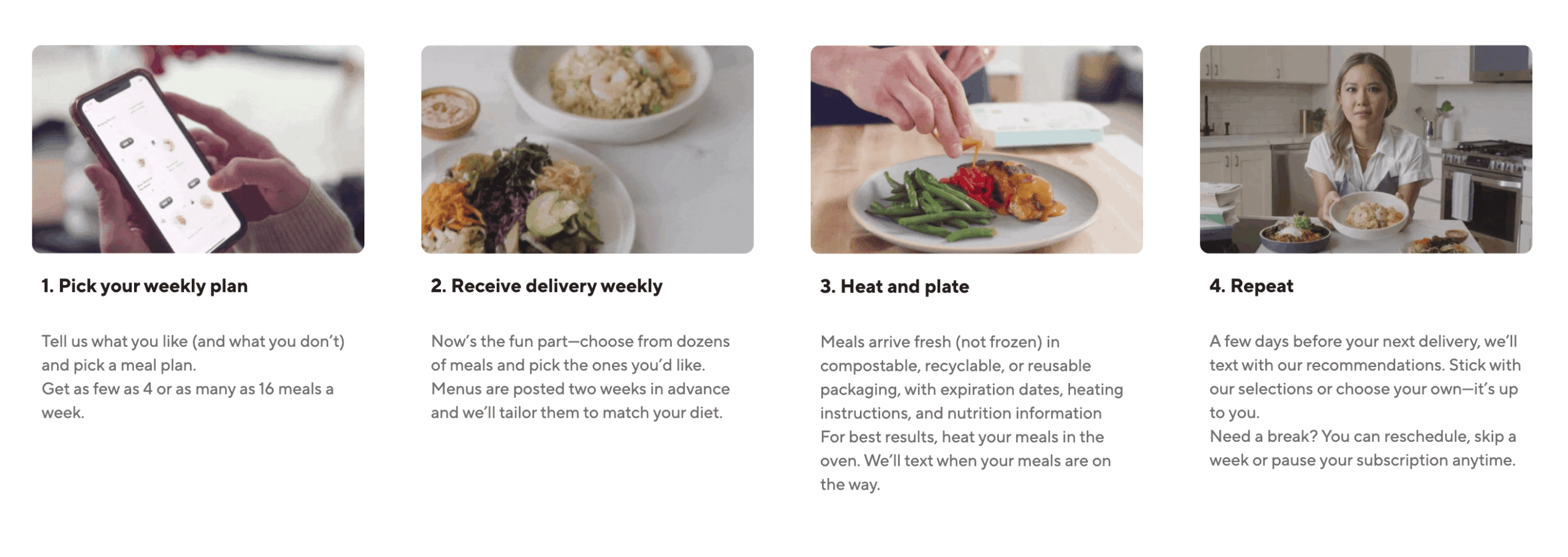
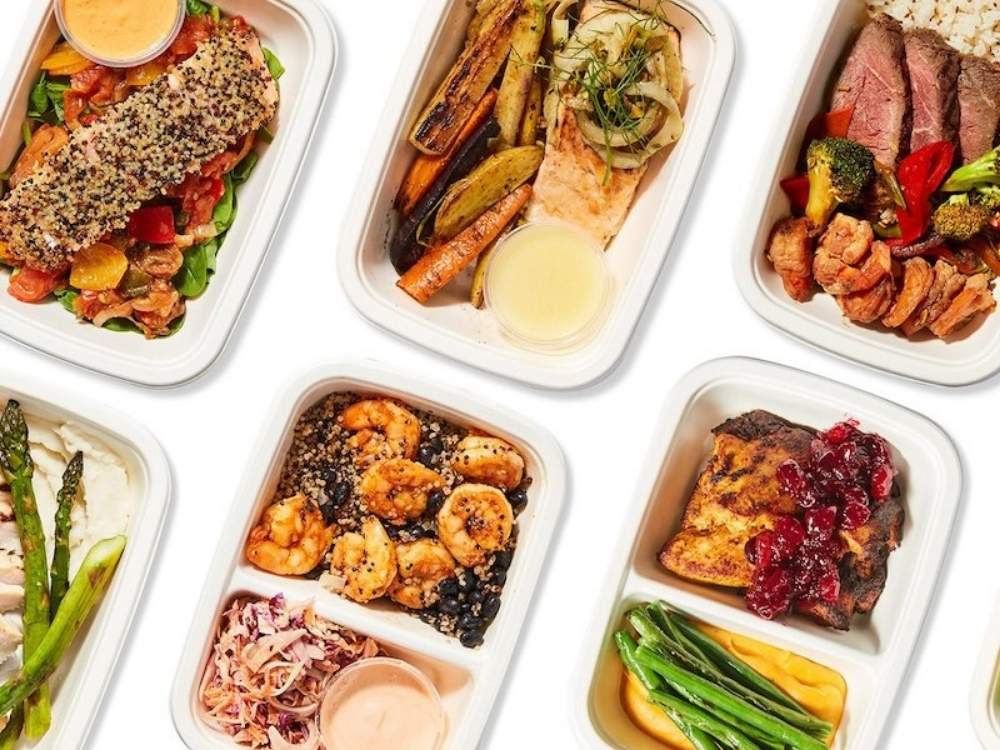
Meals arrive chilled (not frozen) with heating instructions, nutrition info, and use-by dates printed on each tray. CookUnity recommends the oven over the microwave for best results, and after testing both I’d agree. The oven really does produce better food. You get text alerts when your order is on the way, and meals keep in the fridge for 4 to 7 days.
How to Skip, Pause, or Cancel CookUnity
One thing I checked early on is how locked in you actually are. The answer: not very. You can skip a week, pause your subscription, or cancel entirely from your account dashboard without calling anyone or chatting with a retention agent. The catch is timing: changes need to be made before the weekly cutoff, which is typically noon a few days before your delivery date. The exact cutoff depends on your delivery area, so check your account for the specific deadline. I paused for two weeks during my testing and the process took about 30 seconds. No charges, no guilt-trip emails, and resuming was just as easy.
CookUnity Menu and Meal Variety
The weekly menu is where CookUnity pulls ahead of other prepared meal services, and it’s not close. After using Factor for a few months before this, where I’d see the same 30-odd dishes cycling through week after week, opening the CookUnity menu felt like a different experience. The Canadian roster currently includes 8 local chefs and 3 international names, and the dishes they offer rotate each week. What shows up depends on your postal code, so the selection you see in downtown Toronto may differ from what’s available in Hamilton or Ottawa.
Chef-Driven Meals and Seasonal Specials
CookUnity entered the Canadian market with chefs like Patrick Kriss of Alo and Hemant Bhagwani, known for his innovative Indian restaurants in Toronto. What I noticed is that the chef names are more than marketing. You can taste the difference. Kriss’s dishes had a precision to them that the other meals didn’t. Bhagwani’s Indian plates had spice layers that reminded me of actual restaurant food, not the flattened version you usually get from a delivery service.
The launch menu featured dishes like Grilled Chicken with Pine Nut–Chili Salsa from Kriss, Pad Ka Praow Beef with Thai Holy Basil from Sand Tsoi, Jamaican Pepper Shrimp by Dadrian Coke, and Mongolian Beef with Fried Egg Noodles from Trevor Lui. I’ve also seen Moroccan-inspired fish stews and Mexican carnitas rotate through on different weeks. The range is wide. On any given week I could build an order that hit three or four different cuisines without repeating a chef.
Menus rotate weekly, and what’s available shifts with the seasons. During my fall testing I saw more hearty stews and root vegetable dishes; the summer weeks leaned toward grilled proteins and lighter plates. It felt like browsing a restaurant’s changing menu rather than picking from the same fixed lineup every week.
Cuisine Options
The menu interface lets you browse by cuisine and highlights chef names alongside regional styles. The selection covers a wide global mix (Indian, Jamaican, Thai, Italian, Mexican, and more), but what’s actually available depends on your delivery area. One week I filtered for Thai and Indian and built my entire order around those two cuisines. That kind of thematic ordering isn’t possible on most other services.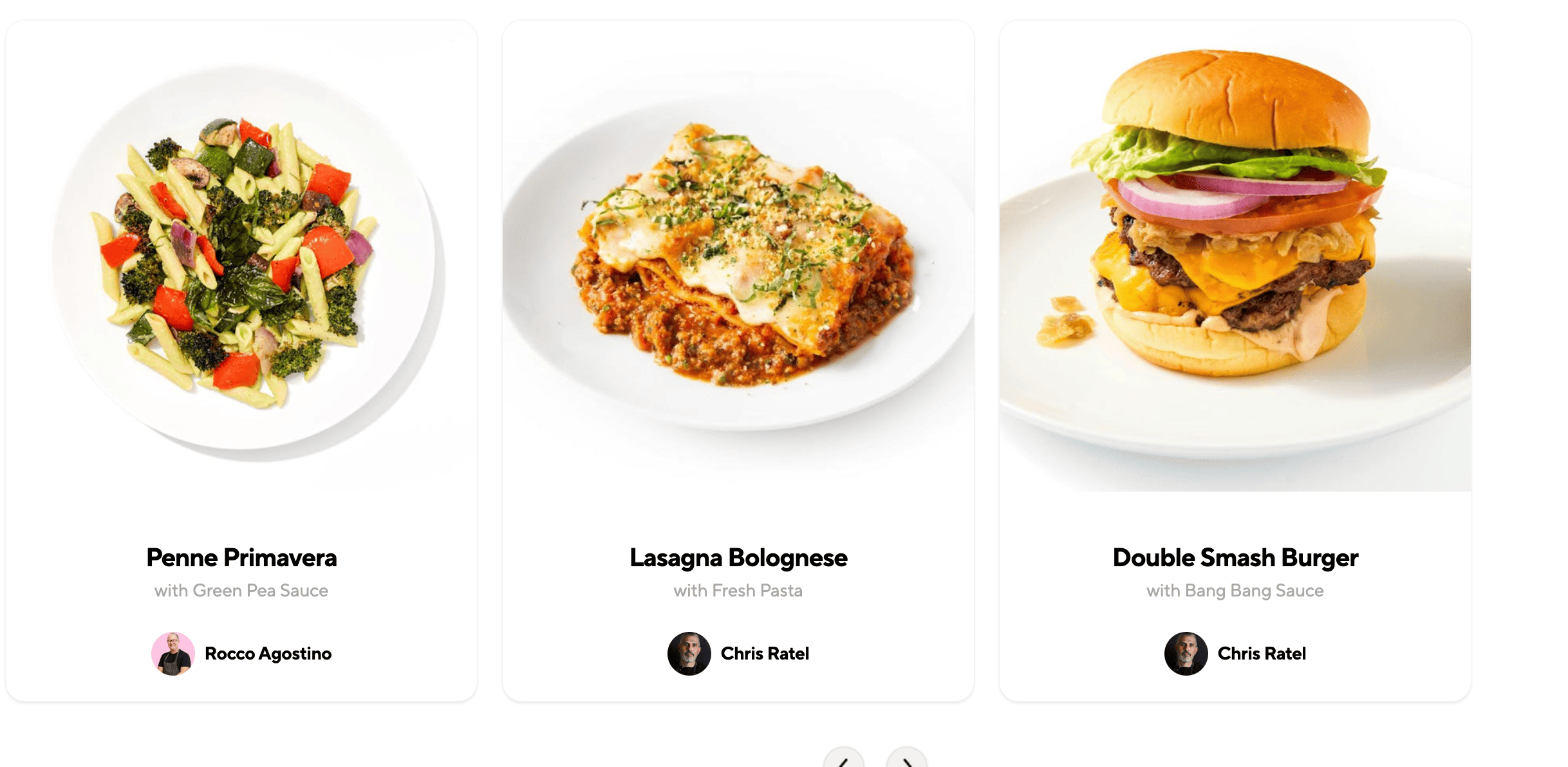
Dietary Preferences (Vegan, Keto, etc.)
CookUnity lets you filter the menu by diet: vegan, vegetarian, gluten-friendly, low carb, high protein, keto, pescatarian, paleo, and Mediterranean. Availability depends on your delivery zone. I mostly used the high-protein and Mediterranean filters, and both worked well. The menu updated instantly and still left me with plenty of options. One caveat: if you’re strictly plant-based, the vegetarian and vegan selection is thinner than the meat-heavy side of the menu.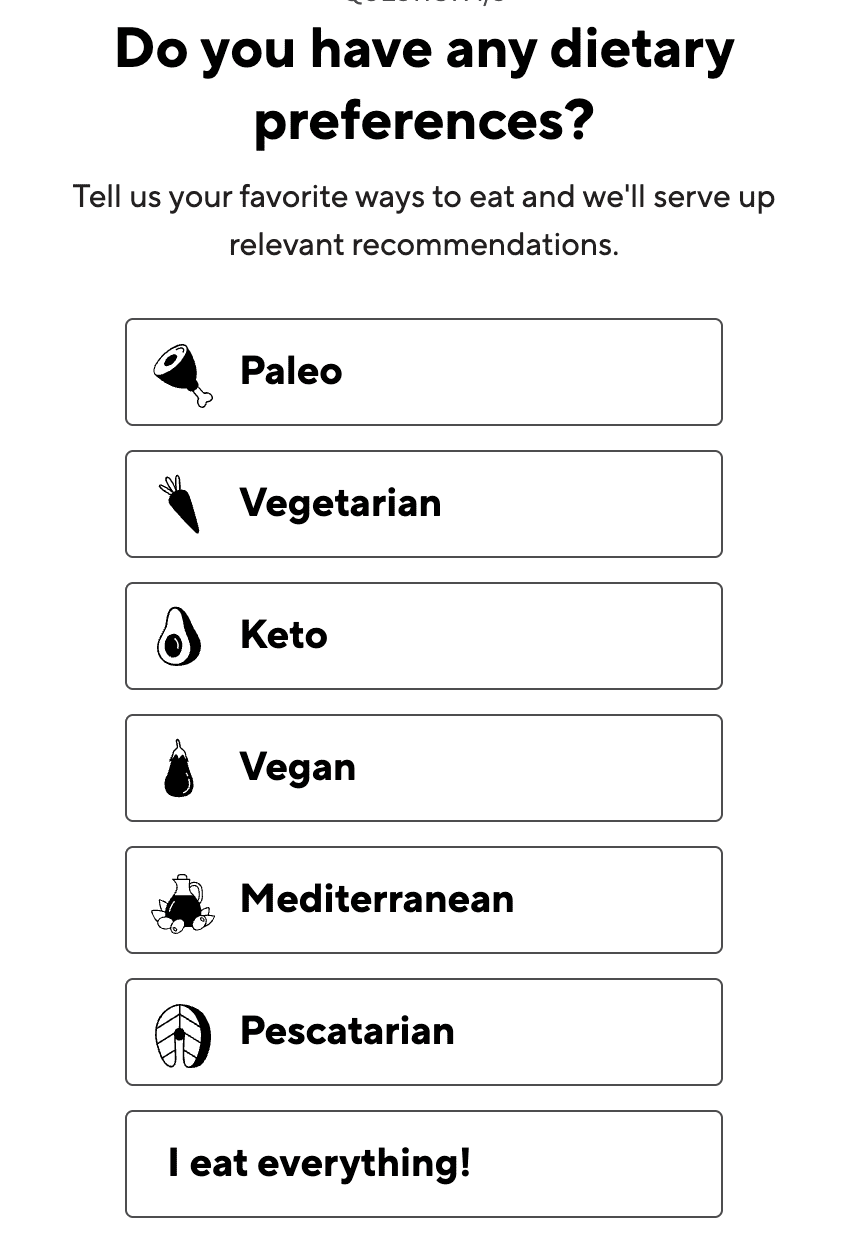
Portion Sizes and Nutritional Information
Every dish lists calories, protein, carbs, and fat, which is useful if you track macros or follow a structured diet. Portions are single-serve and vary by dish: protein-heavy plates like steak or chicken bowls are filling, while lighter vegetarian options work better as a lunch.
What I Ordered from CookUnity Canada (and How It Tasted)
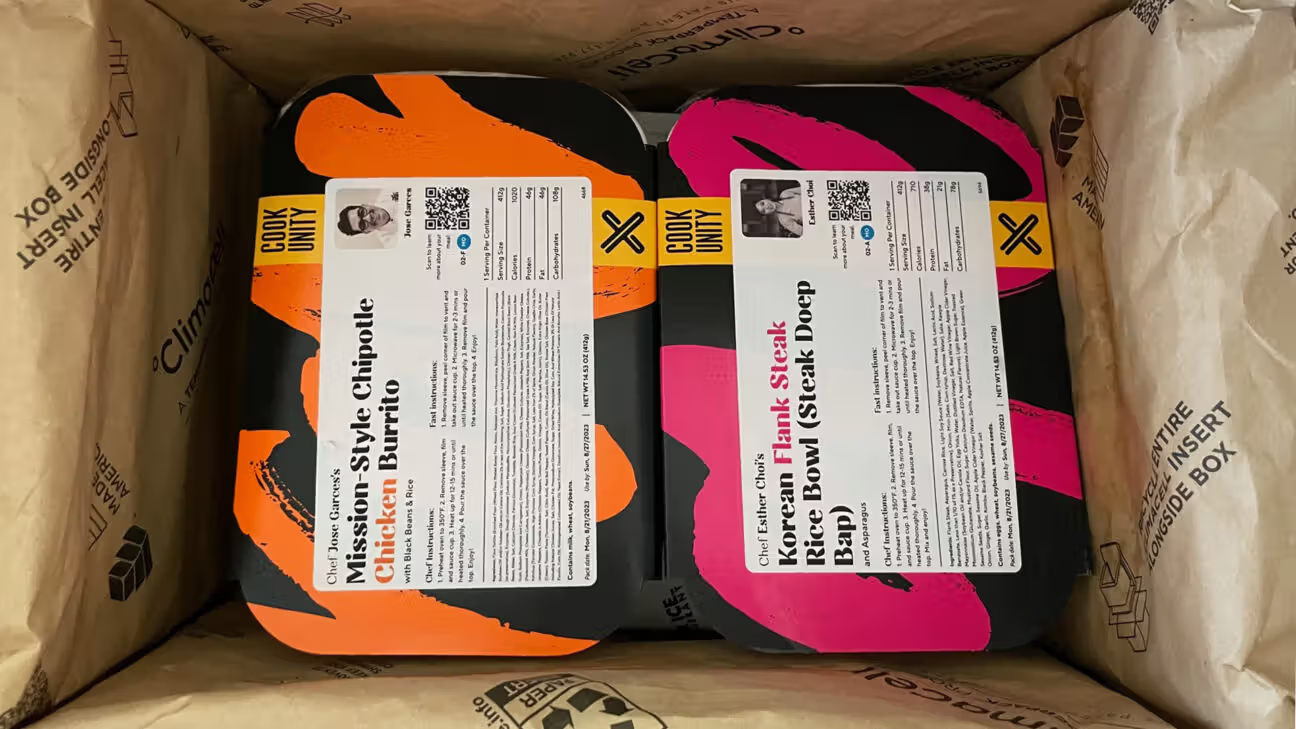
I ordered two rounds of 8 meals each to get a proper sense of the range. Rather than playing it safe with crowd-pleasers, I deliberately mixed cuisines and chefs to see how consistent the quality actually is across the menu.
The Best Meals I Tried
Patrick Kriss’s Grilled Chicken with Pine Nut-Chili Salsa was the highlight of both orders. The chicken was cooked properly, still juicy after reheating, which is rare for a prepared meal. The salsa had a real kick without being overwhelming. It tasted like something you’d get at a sit-down restaurant, not a plastic tray from the fridge.
Dadrian Coke’s Jamaican Pepper Shrimp was another strong pick. The seasoning was bold and layered, not the one-note heat you sometimes get from Caribbean-style prepared meals. The shrimp held their texture well even after reheating, which is not a given with seafood in this format.
I also tried Trevor Lui’s Mongolian Beef with Fried Egg Noodles. The sauce was rich and the noodles didn’t turn mushy, which surprised me. It leaned heavier on the sweet side than I’d prefer, but it was a solid meal overall and one of the more filling portions I received.
Where It Fell Short
Not every meal hit the same level. One lighter vegetarian dish, a grain bowl with roasted vegetables, felt like an afterthought compared to the protein-forward options. The grains were a bit bland, and the portion left me reaching for a snack an hour later. I noticed this pattern: the meat and seafood dishes consistently outperformed the plant-based ones in both flavour and portion satisfaction.
One pasta dish also suffered from what I’d call the reheating problem. The instructions said 3 minutes in the microwave, but the centre was still cold. I ended up doing another 2 minutes, and by that point the edges were starting to dry out. Switching to the oven next time fixed this entirely. Twelve to 15 minutes at 350°F gave a much better result across all the meals I tried.
Reheating: Oven vs. Microwave
This matters more than you’d think. CookUnity provides both microwave and oven instructions on every meal. The microwave is faster (2-4 minutes), but the oven produced better results almost every time in my testing. Proteins stayed juicier, sauces didn’t dry out at the edges, and anything with a crispy element actually held up. My advice: budget 12-15 minutes at 350°F if you can. The microwave works in a pinch, but expect softer textures on roasted vegetables and breaded items.
Portions: Are They Big Enough?
Each meal is built for one adult, and I’d say they land in the “moderate lunch or light dinner” range. The protein-heavy dishes from chefs like Kriss and Coke felt like a proper meal on their own. The lighter bowls and vegetarian plates worked better as a lunch, and I’d want a side or a snack if I were eating them for dinner after a long day. If you have a bigger appetite, the 8 or 10-meal plans give you the option to double up on heavier dishes and keep the lighter ones for lunch.
CookUnity Canada Pricing: How Much Does It Cost?
CookUnity pricing in Canada depends on the size of your weekly plan. The more meals you order, the less you pay per serving. On the 16-meal plan, you’re at $9.00 per serving, which is less than a Chipotle bowl in downtown Toronto. On the 4-meal plan, you’re paying $12.59, closer to what you’d spend at Factor. I found the 8-meal plan to be the sweet spot between variety and value. CookUnity regularly offers 50% off your first week for new subscribers, so check their site for the latest introductory deal before you commit. Here’s the CookUnity price breakdown in CAD (prices as of early 2026; enter your postal code at checkout for current rates):
| Meals per week | Price per serving (CAD) |
|---|---|
| 4 | $12.59 |
| 6 | $10.96 |
| 8 | $10.21 |
| 10 | $9.79 |
| 12 | $9.28 |
| 16 | $9.00 |
The per-serving prices above don’t include delivery, which caught me off guard the first time. CookUnity charges a $9.99 delivery fee on each order, plus a service fee that varies by your location and plan size. These extras only show up at checkout after you enter your postal code, so the sticker price on the menu is not what you’ll actually pay. For reference, an 8-meal order at $10.21 per serving works out to roughly $91.67 before delivery and service fees. Expect to add another $10-15 on top of that.
CookUnity also offers a membership called UnityPass (listed at $23.99/month in the US; check the Canadian site for current CAD pricing) that waives the delivery fee on every order. If you’re ordering weekly, that membership pays for itself quickly. For occasional orders or if you’re just trying the service, the standard delivery fee is fine, but regular subscribers will likely save with the pass.
How Does CookUnity Compare to Other Meal Delivery Services?
If you’re weighing CookUnity against other options in Canada, here’s how the main services stack up side by side:| Feature | CookUnity | Factor | HelloFresh | Chefs Plate |
|---|---|---|---|---|
| Type | Prepared (heat & eat) | Prepared (heat & eat) | Meal kit (cook yourself) | Meal kit (cook yourself) |
| Price per serving (CAD) | $9.00–$12.59 | ~$12+ | From $9.99 | From $8.99 |
| Weekly menu size | 100+ dishes | ~30–35 dishes | 35+ recipes | ~24 recipes |
| Cooking required | No | No | Yes (30–40 min) | Yes (30–40 min) |
| Diet filters | 9 (vegan, keto, paleo, etc.) | 6+ | Limited | Limited |
| Chef-created dishes | Yes (named chefs) | No | No | No |
| Delivery area (Canada) | Ontario only | Ontario only | Nationwide | Nationwide |
CookUnity and Factor are the closest competitors since both deliver ready-to-eat meals with no cooking required. The biggest difference is menu variety: CookUnity rotates through 100+ chef-created dishes each week, while Factor offers a smaller selection that starts to feel repetitive after a month.
Factor’s per-serving price also tends to run a couple of dollars higher. If you’re deciding between these two, our full CookUnity vs Factor comparison breaks down the pricing, menus, and who each one suits.
HelloFresh and Chefs Plate are cheaper per serving, but you’re cooking the meals yourself. Expect 30 to 40 minutes of prep and cleanup. If convenience is what you’re after, CookUnity or Factor will save you that time. If you enjoy cooking and want to keep costs down, a meal kit is the smarter choice. For a more detailed breakdown, check out our meal kit cost comparison.
CookUnity Availability & Delivery Zones in Canada
CookUnity currently delivers to over 25 cities across Ontario, which is a decent start but still leaves most of Canada waiting. You enter your postal code on the CookUnity website to confirm coverage and see your local menu and available delivery dates. If you’re outside the zone, the site lets you join a waitlist.
CookUnity Delivery in Toronto
Toronto is CookUnity’s main Canadian hub. Meals are prepared in Toronto kitchens by local chefs and distributed from there to the surrounding GTA. My deliveries consistently showed up on the scheduled day, and every box arrived cold with the ice packs still solid. If you live in downtown Toronto, North York, Scarborough, Mississauga, or other GTA cities, you should be within range. Enter your postal code at checkout to confirm your specific delivery day.
Is CookUnity Available in Montreal?
Not yet. As of early 2026, CookUnity confirmed in an interview with City Life magazine that they “expect to begin servicing Quebec in the coming months.” The company also mentioned plans to reach the west coast of Canada the following year. If you’re in Montreal or elsewhere in Quebec, you can sign up on the CookUnity website to get notified when delivery launches in your area.
Pros and Cons of CookUnity
Here’s how it all shakes out after several weeks of testing:

Pros
-
Meals arrive fully cooked. Just heat and eat, no prep or cleanup.
-
100+ rotating dishes each week, so the menu never gets stale.
-
Nine diet filters: vegan, keto, pescatarian, paleo, Mediterranean, gluten-friendly, low carb, high protein, and vegetarian.
-
Flexible plans from 4 to 16 meals per week. Skip or pause any time from your dashboard.
-
Full nutrition info and clear use-by dates on every tray.
-
Named chefs behind every meal, including Michelin-starred Patrick Kriss.
Cons
-
Price per serving sits above entry-level meal kits like Chefs Plate ($8.99) or HelloFresh ($9.99).
-
Delivery is limited to Ontario right now, so most of Canada can’t order yet.
-
Menu availability varies by postal code, so some dishes may not show up in your area every week.
-
Certain meals taste much better reheated in the oven; microwaving can soften textures.
My Final Verdict: Is CookUnity Worth It in Canada?
After several weeks of testing, I see CookUnity as a premium option for Canadians who want to skip cooking without settling for mediocre food. The variety was the biggest draw. Picking from a rotating list of chefs and cuisines each week kept things interesting in a way that other prepared meal services haven’t matched for me.
You do pay for that. CookUnity costs more than meal kits and sits in the same range as Factor, so this is a convenience and quality play, not a budget one. When I had a packed week and wanted something better than takeout without leaving home, CookUnity delivered on that promise. If you enjoy cooking or want the cheapest meal delivery, a meal kit like Chefs Plate or HelloFresh will stretch your dollar further.
I’d recommend it to anyone in Ontario who’s tired of the takeout cycle and wants to eat well without spending an hour in the kitchen. It’s not perfect. The vegetarian options need work, the delivery fees should be more transparent, and I’d like to see them expand beyond Ontario faster. But the food itself? It’s the real thing. If you’re still comparing services, our best prepared meal delivery in Canada roundup covers all the top options side by side.
Click to Get 30% off your first week!
- Gourmet meals freshly prepared by award-winning chefs.
- Diverse Menu, Wide variety of cuisines and dietary options.
- Flexible Plans, Choose from 4 to 16 meals per week, with easy adjustments.
- Sustainable Practices, Focus on zero waste with fresh food packaging.
Frequently Asked Questions About CookUnity Canada
Is CookUnity available in Canada?
Yes. CookUnity launched in Canada in June 2025 and currently delivers to over 25 cities across Ontario. Toronto is the main hub. The company has confirmed plans to expand into Quebec next, with west coast delivery planned after that.
How much does CookUnity cost in Canada?
CookUnity pricing in Canada ranges from $12.59 per meal on the 4-meal weekly plan down to $9.00 per meal on the 16-meal plan. Delivery and service fees may apply depending on your postal code. The final price is shown at checkout after you enter your location.
Is CookUnity worth it?
It depends on what you’re looking for. If you want restaurant-quality, chef-prepared meals with zero cooking and you don’t mind paying a premium over basic meal kits, CookUnity delivers solid value. It’s not the cheapest option, but the food quality and menu variety are a clear step above most ready-to-eat competitors I’ve tried.
Does CookUnity deliver to Toronto?
Yes. Toronto is CookUnity’s primary delivery hub in Canada. Most GTA areas are covered, including downtown Toronto, North York, Scarborough, and Mississauga. Enter your postal code on the CookUnity website to confirm your delivery day.
Can you get CookUnity in Montreal?
Not yet, but CookUnity has confirmed that Quebec delivery is coming soon. As of early 2026, the company stated it expects to begin servicing Quebec “in the coming months.” You can join the waitlist on their website.
How does CookUnity compare to Factor in Canada?
Both are heat-and-eat prepared meal services, but CookUnity offers a larger rotating menu (100+ dishes per week vs. Factor’s smaller weekly selection) and partners with named, award-winning chefs. Factor tends to be priced slightly higher at around $12+ per serving. CookUnity starts at $9.00 per meal on larger plans. For a full comparison, see our Factor Canada review.
Can I cancel CookUnity anytime?
Yes. You can cancel, pause, or skip weeks directly from your account dashboard without calling or emailing support. Just make sure you do it before the weekly cutoff deadline (usually noon, a few days before your delivery date). There’s no minimum commitment or cancellation fee.
Explore Our In-Depth Meal Kit Reviews
Read Our Meal Kit Comparison Articles
- HelloFresh VS Blue Apron
- HelloFresh VS GoodFood VS Chefs Plate
- Chefs Plate VS HelloFresh
- Fresh Prep VS HelloFresh
- HelloFresh VS GoodFood
- HomeChef VS HelloFresh
Looking for the cheapest meal kits? Use our cost comparison tool to find your best budget-friendly option now!
Not sure which meal kit is right for you? Compare Canada’s top meal kit delivery services and find your perfect match!